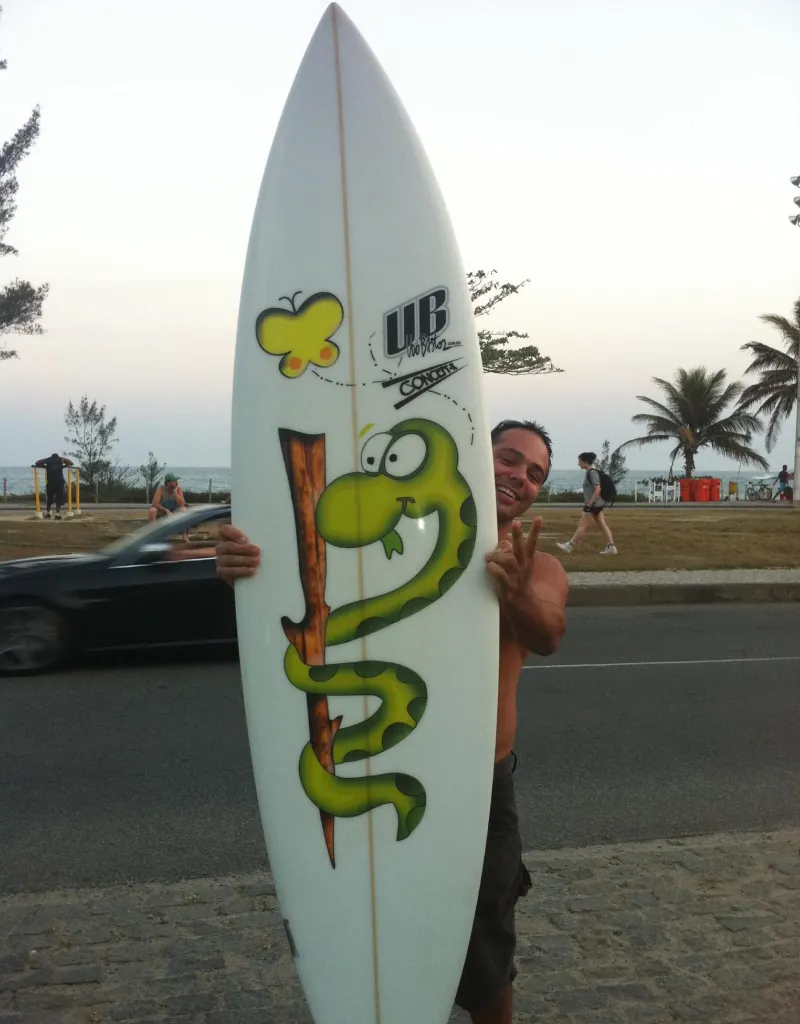
My Story — Walter Sena
Growing up in Brazil
I grew up in Brazil and entered medical school at a time when my family faced severe financial hardship. In the early part of my studies I experienced periods without stable housing, often couchsurfing while attending demanding courses in surgery and internal medicine. This situation left me with nights where I had nowhere to sleep and gave me a visceral understanding of vulnerability. When the dean learned of my circumstances he invited me to reside within the hospital’s living quarters, allowing me to stay for an extended period. Living among patients and navigating wards around the clock immersed me in the daily realities of those I was training to serve. That experience taught me that adversity can be survived, that supportive systems and mentors can help individuals through extremes, and that lived experience with vulnerability is a clinical asset rather than a liability.
A universal health system
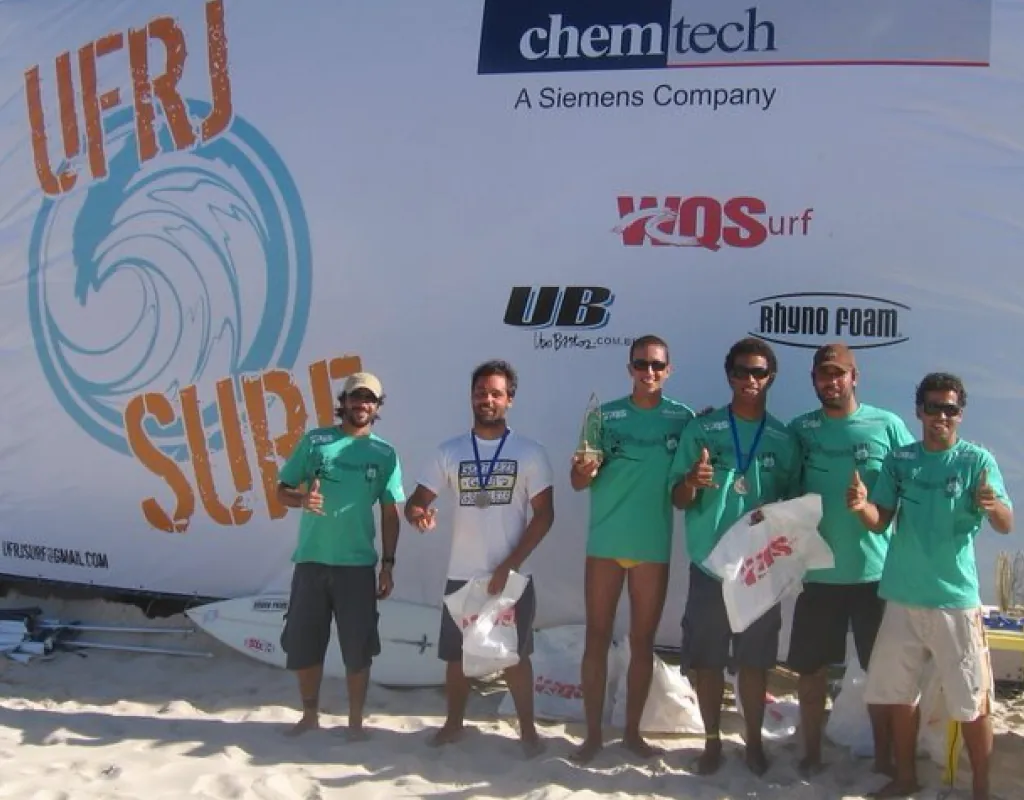
My medical education was completed at the Federal University of Rio de Janeiro, a university recognized internationally for its academic excellence. The curriculum was delivered within Brazil’s publicly funded universal health system, the Sistema Único de Saúde, which is the largest government‑run public health network in the world and provides completely free care from primary clinics to complex hospitalizations for everyone. This environment instilled in me a systemic approach to diagnosis that weighs individual patient needs against resource constraints, community health considerations and collective outcomes, reinforcing a philosophy that clinical excellence includes comfort, safety and minimally invasive care.
First research in the brain
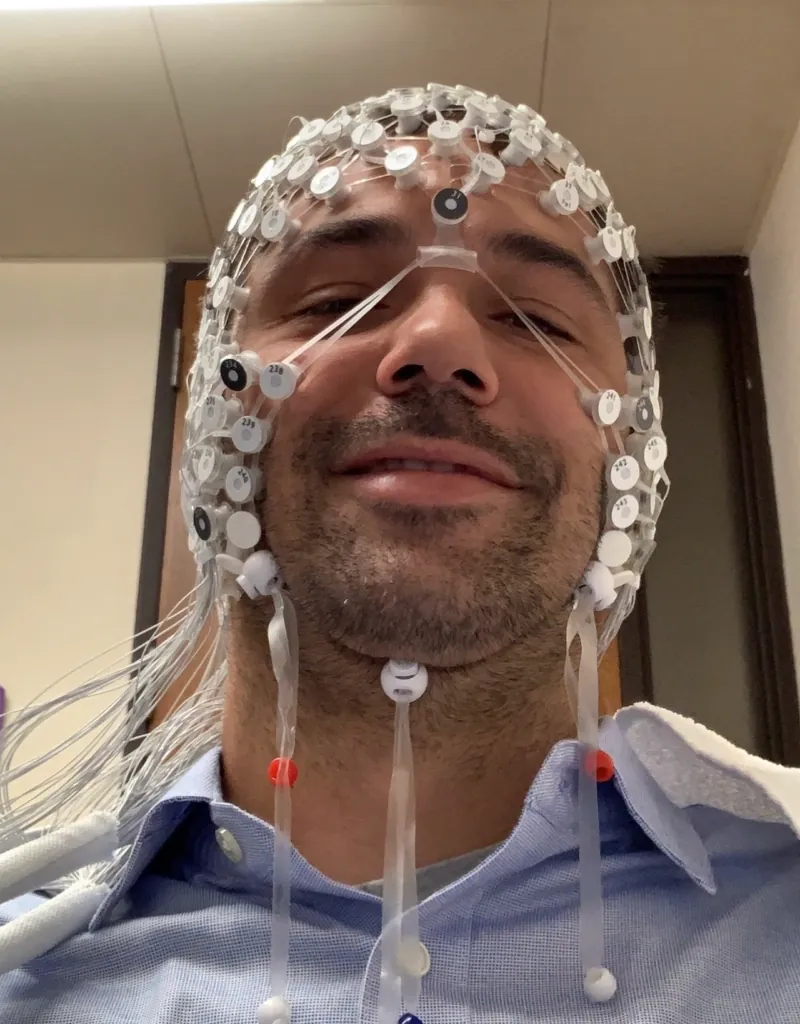
Early academic involvement began with a scholarship monitor position in neurophysiology. I then secured a research grant from the national science agency to work in neurosurgery, where I presented an oral project on the genetic mapping of cerebral cavernous malformations at a university research forum. These experiences introduced me to the interplay between genetics, brain structure and clinical presentation. The observation of behavioral and cognitive changes in patients who underwent surgery sparked my enduring interest in cognitive neuropsychiatry.
Two years on the road
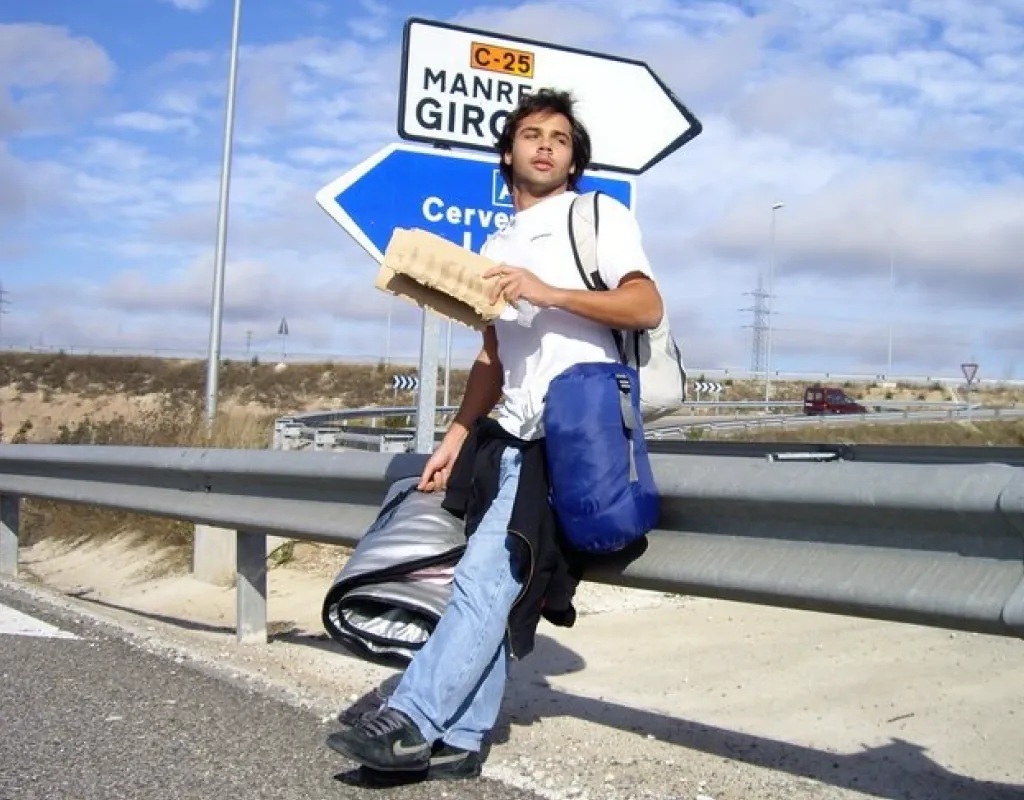
Upon completing the foundational medical sciences courses and set to start core clerkships in the hospital, I realized I was giving my youth away early since I had started medical school when I was eighteen, and had been living isolated in the hospital. I chose to take a leave of absence. I spent almost two years hitchhiking through France, Spain, Australia and New Zealand. The journey exposed me to diverse cultures and health systems, deepening my appreciation for how social context influences mental health and strengthening my personal resilience. I came back to Brazil to finish the course of medicine, deciding to pursue advanced studies in a Commonwealth country.
Back to the wards
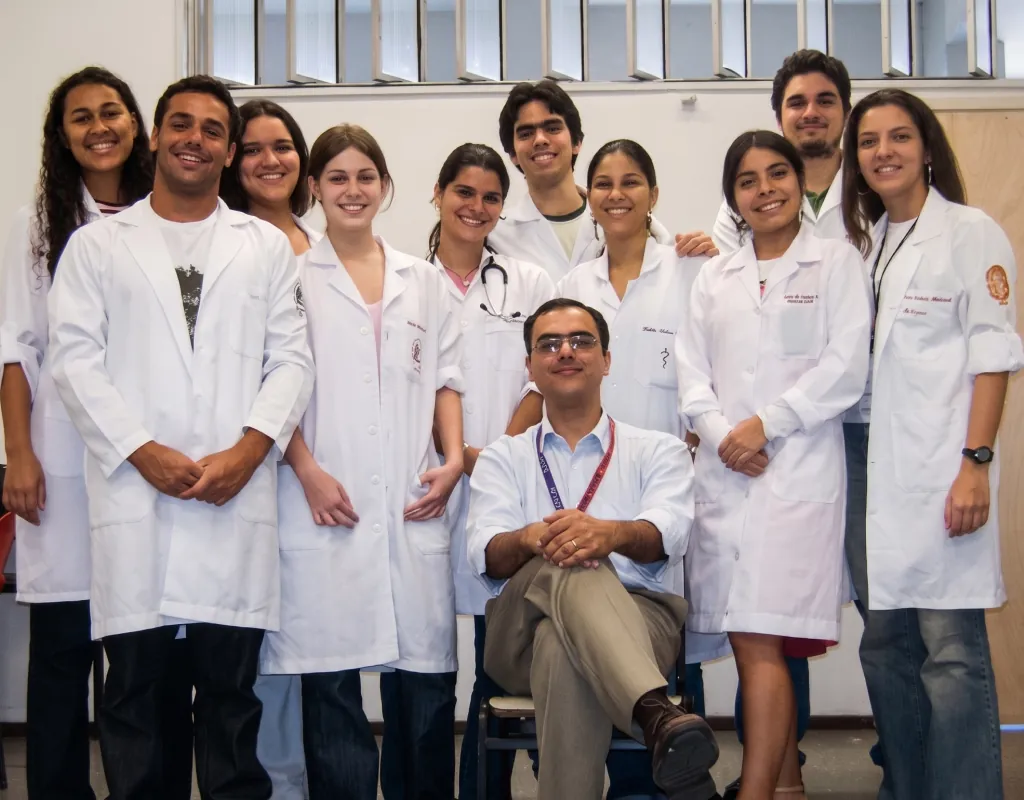
Back in Brazil, I felt I had matured and was ready to start core clerkships in the hospital. Alongside the clinical rotations I had coursework and worked as a research assistant in a cognitive remediation project, investigating how cognition alters after neurosurgeries and brain traumas. This work deepened my understanding of brain‑behavior relationships and laid the groundwork for later research on cognitive neuropsychiatry.
Community psychiatry
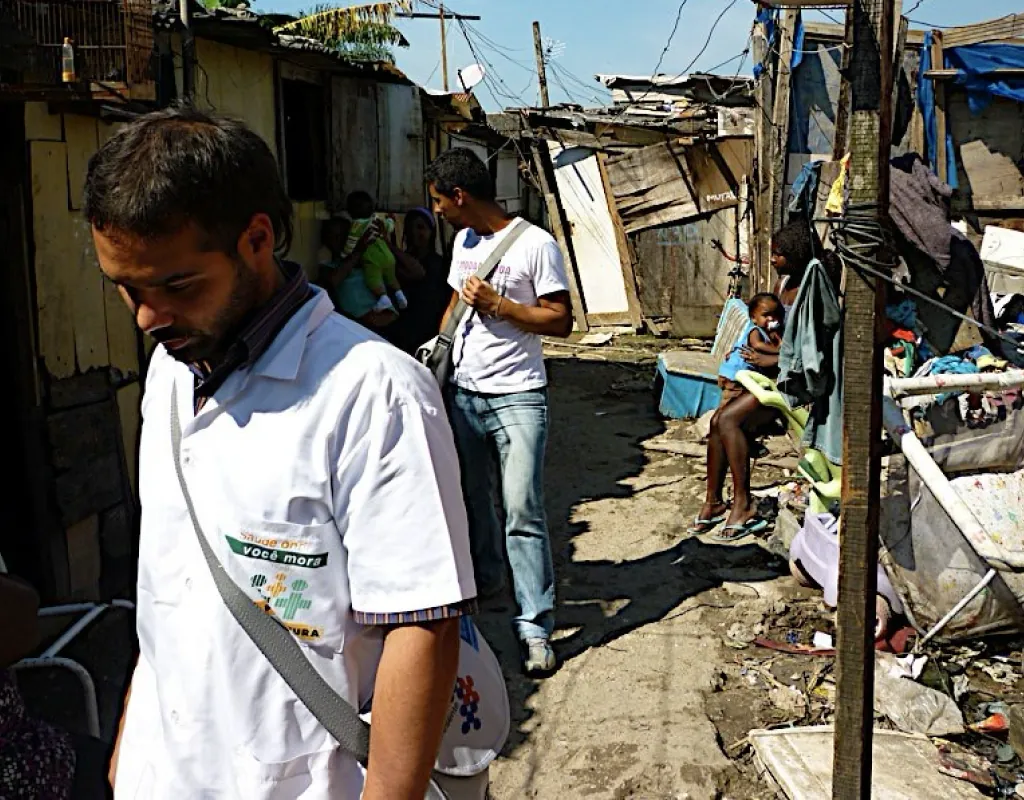
In the final years I completed advanced clinical clerkship rotations and selected family medicine and psychiatry electives as complementary tracks. I established a community‑therapy group that met weekly in a vulnerable neighborhood, using the sessions as a platform for social inclusion and mental‑health support. The initiative was presented at a national congress of family medicine and community health, and I also earned an academic scholarship while rotating through the Instituto Philippe Pinel psychiatric hospital, gaining hands‑on experience with acute psychiatric care.
Specializing in psychiatry
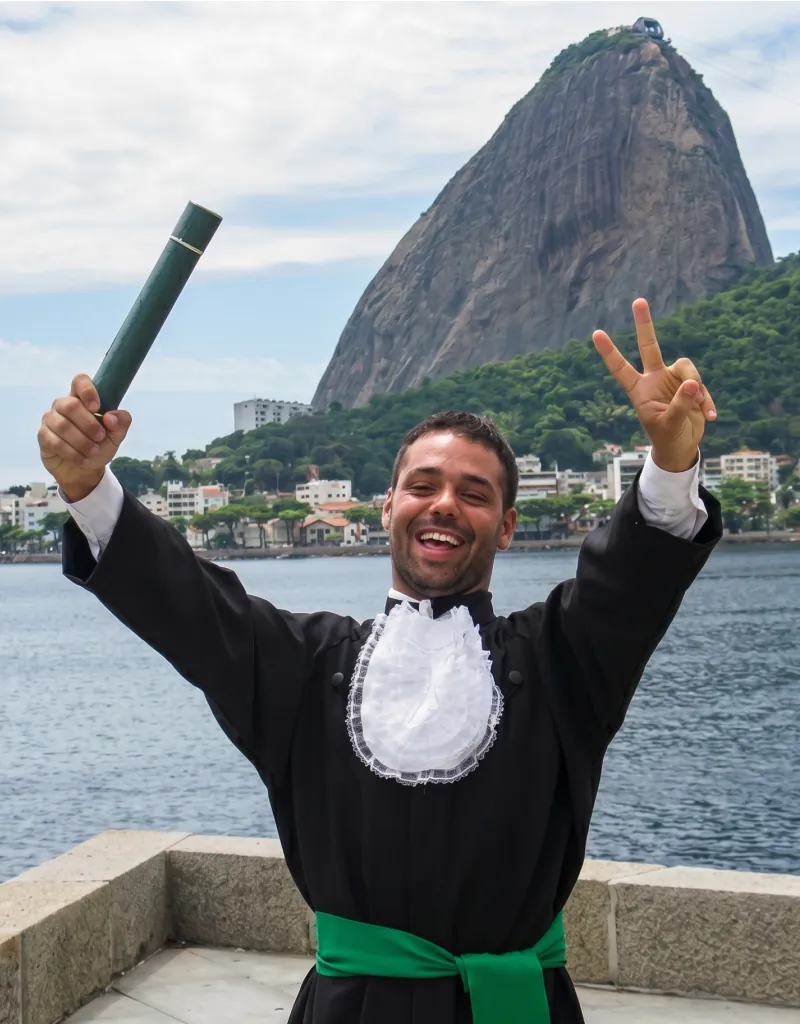
I pursued my psychiatry specialization at the State University of Rio de Janeiro. My monograph explored cognitive and vocational rehabilitation for individuals living with schizophrenia. During this period I also served as a tutor in a Ministry of Health program designed to strengthen the city’s Psychosocial Care Network, contributing to policy implementation and interdisciplinary training. At the same time I completed a Clinical Neuroscience lato‑sensu course to prepare for a master’s degree at UFRJ and ultimately a doctorate in a Commonwealth country. I never detached from my alma mater. I contributed voluntarily at the Federal Institute of Psychiatry while completing my psychiatry specialization and working in emergency‑psychiatry services at affiliated hospitals. After passing the Brazilian board examination, I assumed clinical duties across specialized clinics at the Federal Institute. I conducted initial interviews for professors in a First‑Episode Psychosis Clinic focused on adolescents and young adults, as well as in Neuropsychiatric Disorders and Psychogeriatrics Clinics. I assessed well over one hundred patients using structured instruments such as the Mini International Neuropsychiatric Interview, the Cambridge Neuropsychological Test Automated Battery, and scales including depression, geriatric depression, positive and negative symptom assessment, brief mental‑state examination and global functioning.
A master’s in neuroscience
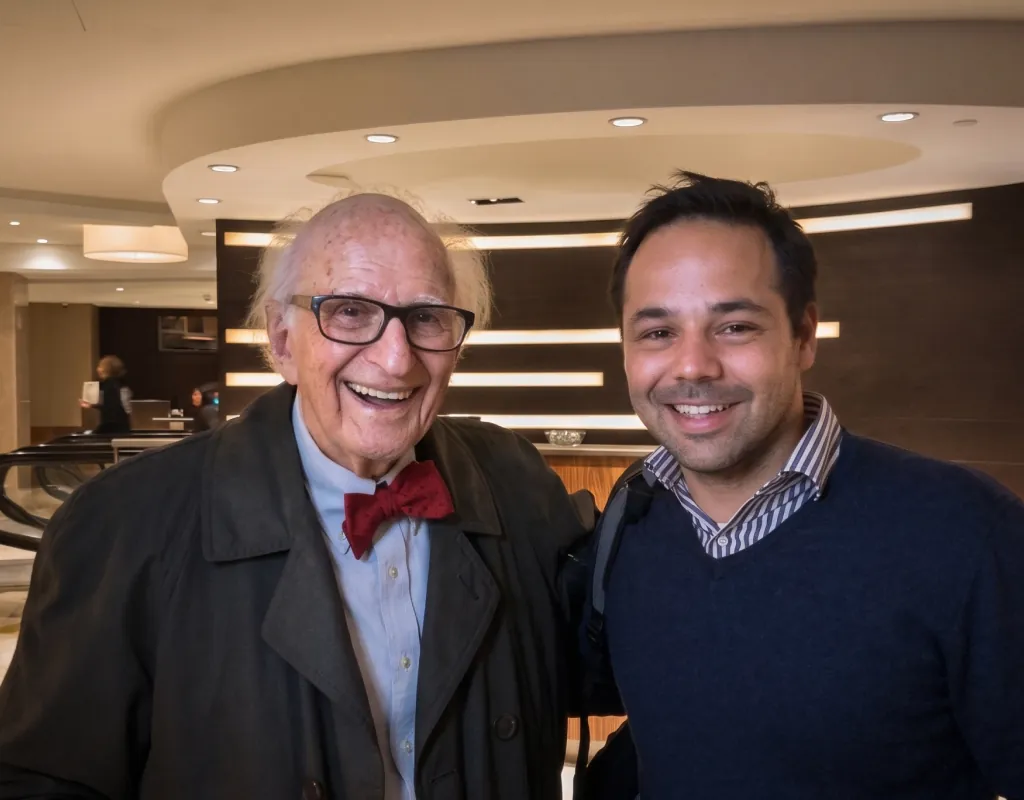
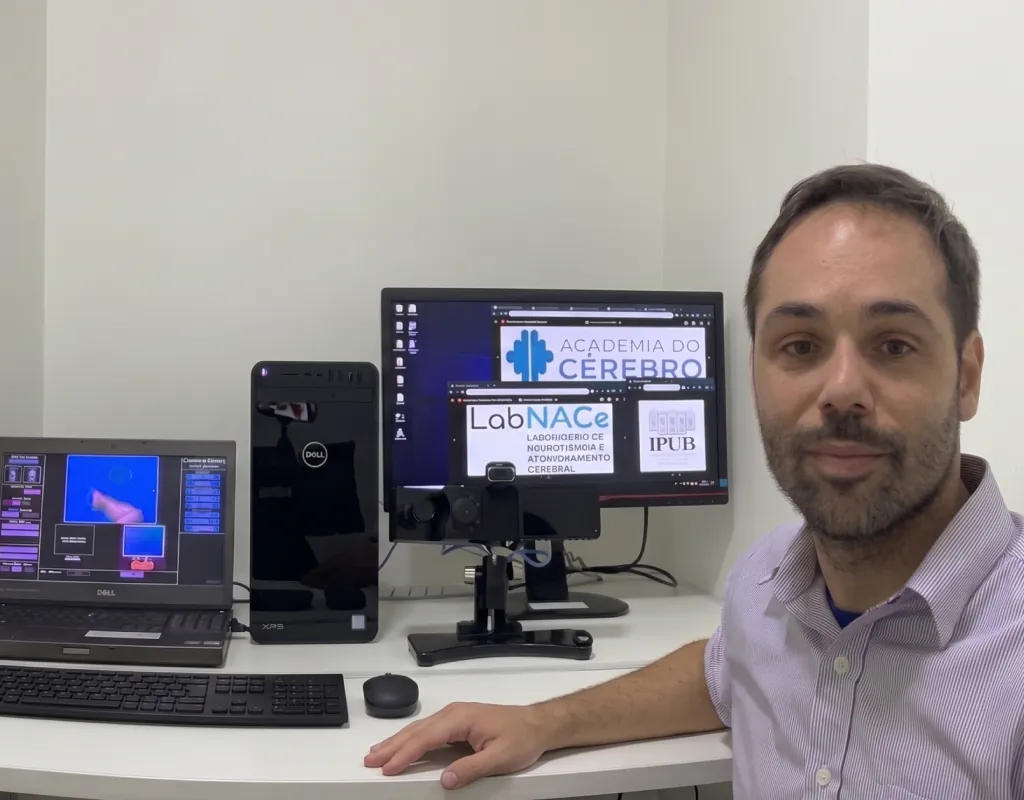
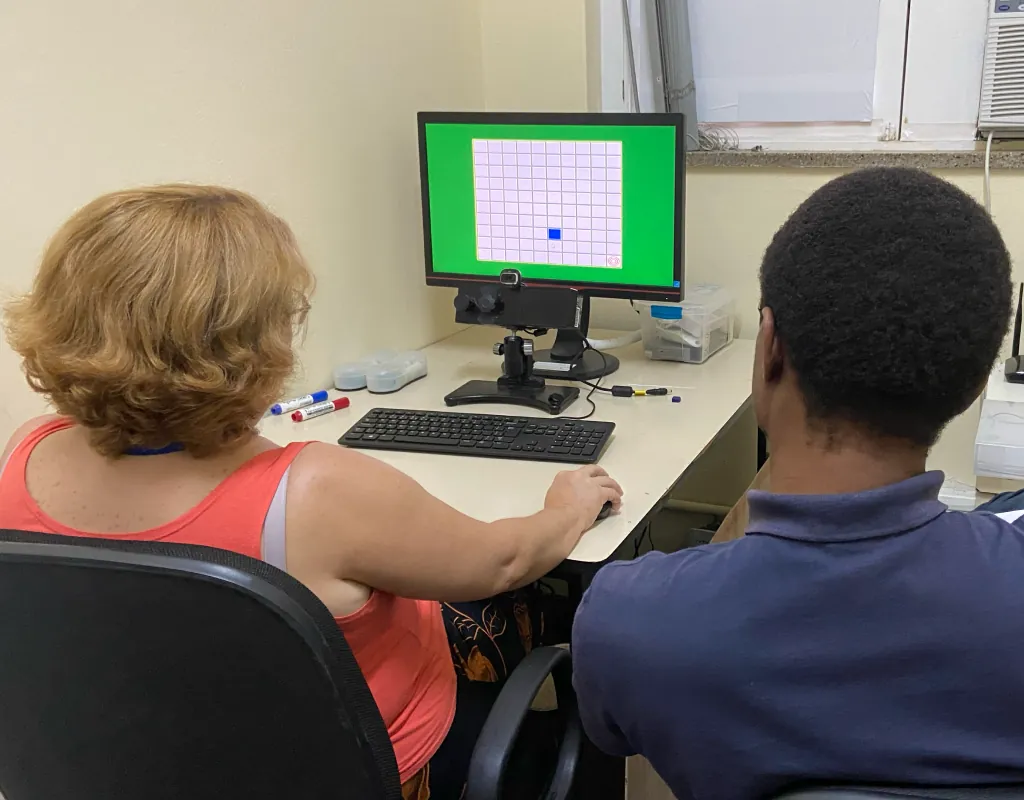
A postgraduate master’s degree in neuroscience followed at the Federal University of Rio de Janeiro, where I completed coursework spanning quantitative electroencephalography, neuroimaging, bioethics, study models of neurodegenerative disease, translational neuroscience topics applied to psychiatry and a range of specialized seminars. I defined eligibility criteria and created standard operating procedures for cognitive‑training interventions, selected appropriate participants, provided continuous monitoring throughout the training programs, and administered advanced neurocognitive assessments employing high‑frequency eye‑tracking technology. I also took on additional teaching and administrative responsibilities, mentoring graduate students in psychology and medicine, many of whom later pursued postdoctoral training at institutions such as Stanford and McGill. I organized weekly journal‑club meetings, guiding participants to critically evaluate high‑impact papers on cognitive remediation, neurophysiology, neuropsychology and psychophysics. I supervised capstone projects that were presented during the university’s academic integration week. To support advanced data collection I implemented a computer network that connected four processing units for simultaneous acquisition of high‑frequency eye‑tracking data alongside low‑frequency commercial cameras during assessments. I oversaw architects and construction crews to create two new laboratory facilities, ensuring they met the technical specifications required for cutting‑edge research. In parallel I aided in securing external funding through successful grant applications to regional research agencies and the Rhodes Institute, which enabled expansion of our experimental capabilities.
Practicing as a psychiatrist
Throughout the clinical fellowship and master’s program I also worked as a psychiatrist. Initially I responded to emergencies by admitting patients in crisis, conducting triage assessments and referring complex cases to tertiary facilities. After receiving board certification I worked alongside multidisciplinary teams on psychiatry wards serving large urban populations, providing consultation‑liaison services in general hospitals, and delivering care at community mental‑health centers.
Love, and a clinic of my own
Finally, I found love with a psychologist, proposed in Whistler in twenty eighteen, and with her support we opened a clinic in Ipanema, Rio de Janeiro. Since then I have been seeing patients privately. Currently I run a psychiatric telemedicine clinic in Brazil, collaborating closely with psychologists and social workers. With the help of a great team I am able to remotely manage admissions and oversee treatment plans for complex cases.
Moving to Vancouver
My partner agreed with my dream to pursue advanced education in a Commonwealth country and we chose British Columbia to raise our family. We moved to Vancouver in twenty twenty two where I completed two consecutive postdoctoral fellowships at the University of British Columbia’s Department of Psychiatry. In these roles I performed structured diagnostic assessments, designed and implemented research protocols, recruited participants for studies of psychiatric disorders, managed data quality, supervised laboratory personnel and mentored graduate students. The fellowship work emphasized translational neuropsychiatry, integrating clinical evaluation with emerging technologies to create tools that can be deployed in real‑world settings.
Founding NeuroCog.ai
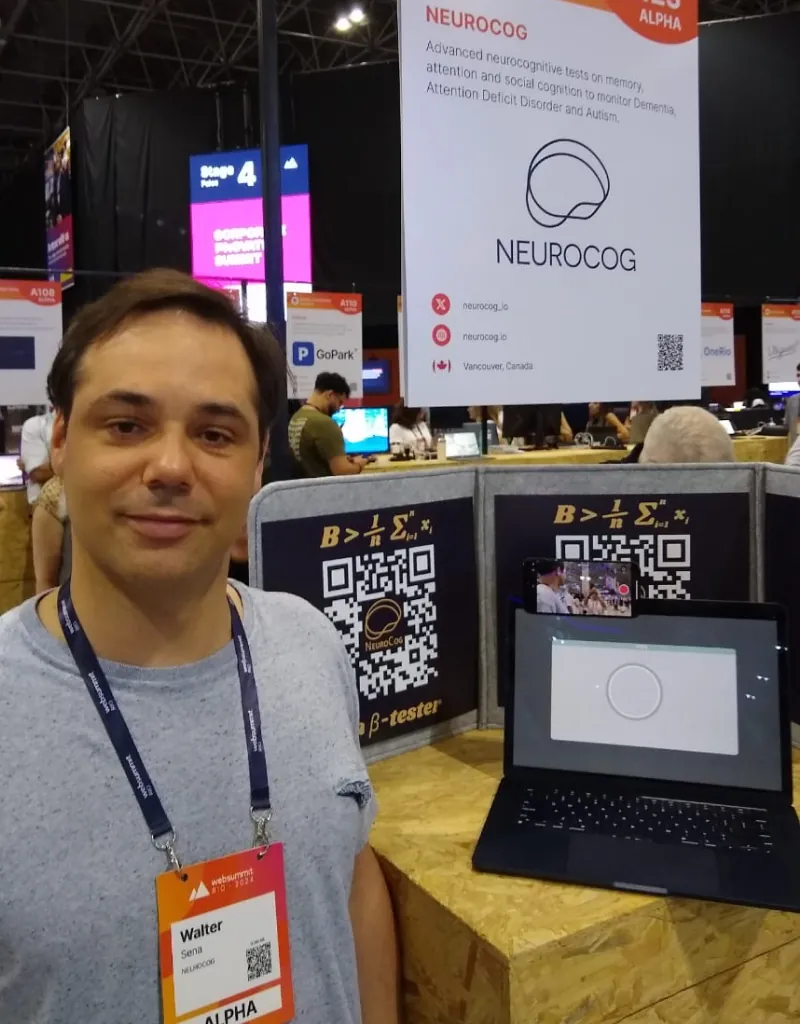
Building on my research platform I founded a startup named NeuroCog.ai, which offers a software‑as‑medical‑device product that utilizes smartphone‑based gaze tracking and artificial intelligence to generate objective cognitive assessments across the lifespan. The project complies with regulatory pathways in North America, Europe and Latin America. Through it I have participated in the New Ventures BC competition, presented at WebSummit in Vancouver, Toronto and Rio de Janeiro, and completed an entrepreneurial course with UBC Innovation Lab2Launch to accelerate the translation of laboratory findings into marketable health technologies.
Lifelong learning
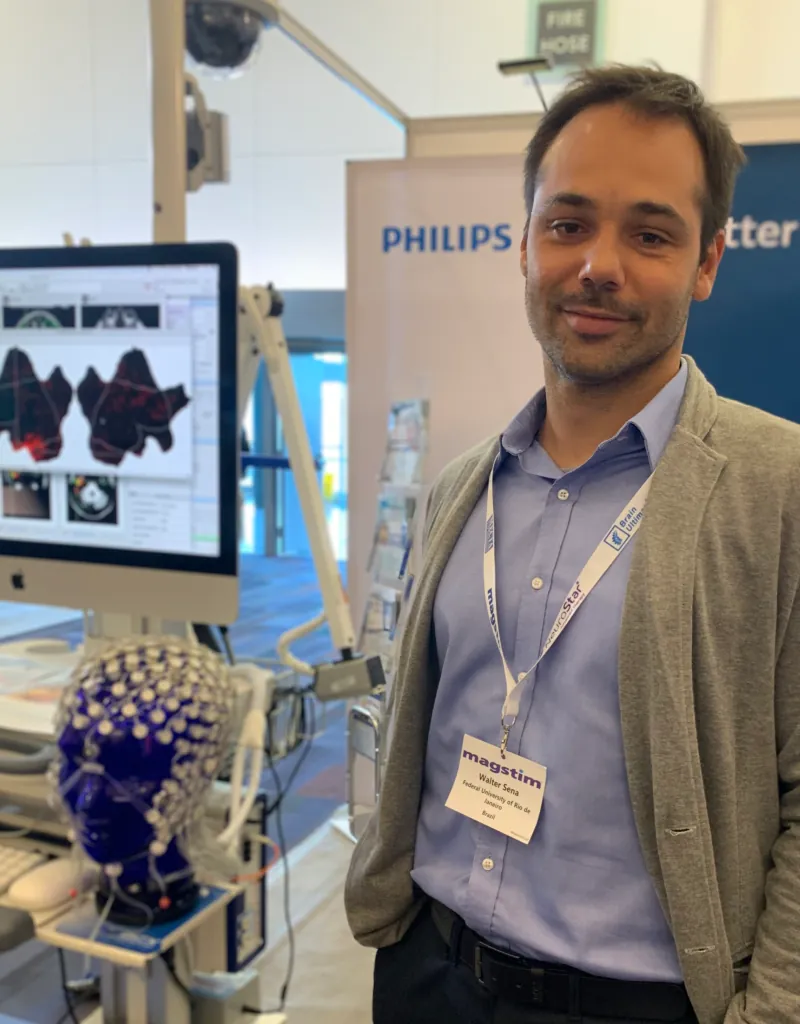
I understand that learning is a lifelong process and pursue professional development through a series of intensive workshops and courses. I have attended neuropsychiatry grand rounds, neuroradiology case discussions, artificial‑intelligence in medicine seminars, health data analytics bootcamps, psychopharmacology conferences, computational neuroscience programs, advanced research computing training, functional neuroimaging bootcamps, medical technology regulation workshops, brain‑stimulation symposia and sessions on the doctor‑patient relationship. These experiences keep my clinical and research skill set aligned with emerging standards and innovative practices.
Support along the way
I am grateful for receiving financial support from many places. Recently I have been recognized by a Wellbeing Strategic Initiative award from the University of British Columbia, two academic excellence awards from the Faculty of Medicine, a tuition award supporting my neuroscience doctorate studies and an Atlantic Institute solidarity grant that funded community outreach through a brain‑academy program for youth. Further support has been provided by a Marshall Fellowship in the Department of Psychiatry at UBC, a tutorial education program sponsored by Brazil’s Ministry of Health and paid traineeships at both a municipal clinic in Rio de Janeiro and a private psychiatric practice. These scholarships facilitated my ability to focus on research, clinical service and community engagement without interruption.
Volunteer leadership
Volunteer leadership has been an integral part of my professional identity. I served as an executive member of the Postdoctoral Association at UBC, leading a project called “Light Up” that promotes resilience among postdoctoral scholars. Earlier in Brazil I taught workshops for the Brain Academy outreach initiative, coordinated epidemiological studies during a summer course in morphological sciences and hosted international medical students through the International Federation of Medical Students Association.
A philosophy of care
My professional philosophy is rooted in the belief that equitable, evidence‑based care should be delivered with minimal harm and maximal respect for patient autonomy. The training I received within Brazil’s universal health system mirrors Canada’s commitment to accessible services, and I aim to integrate these shared values into everyday practice. I emphasize structural diagnostic reasoning, community‑oriented treatment planning and the use of technology to extend high‑quality mental‑health care to underserved populations.
Toward practice in Canada
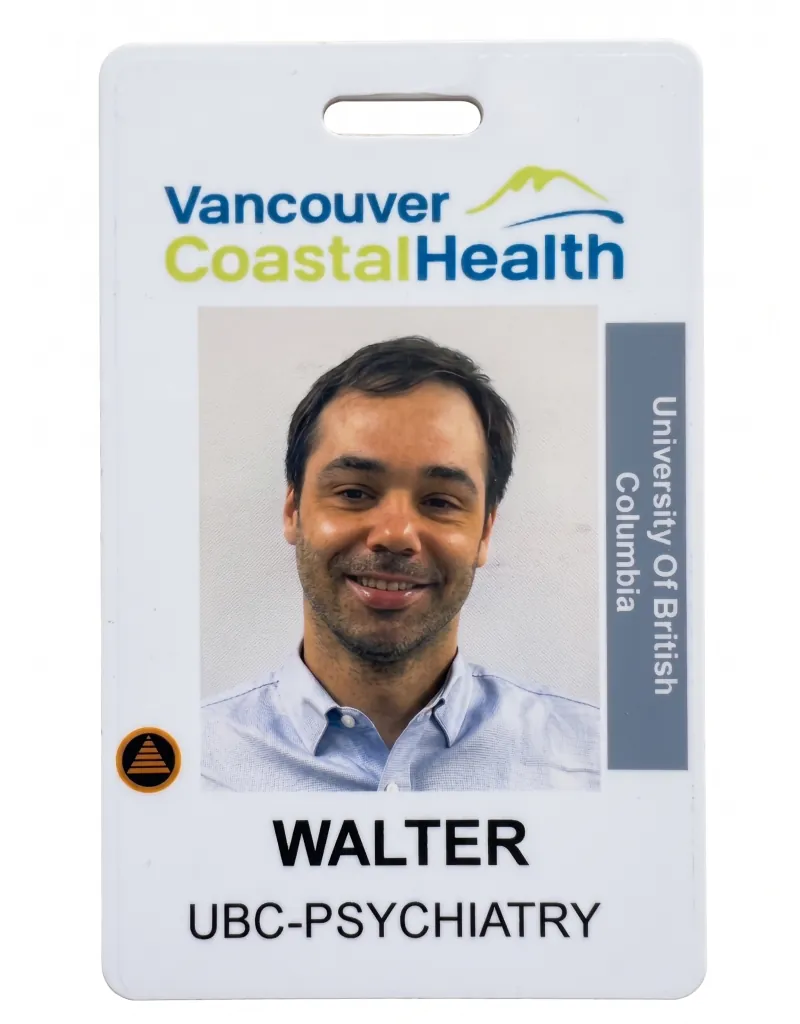
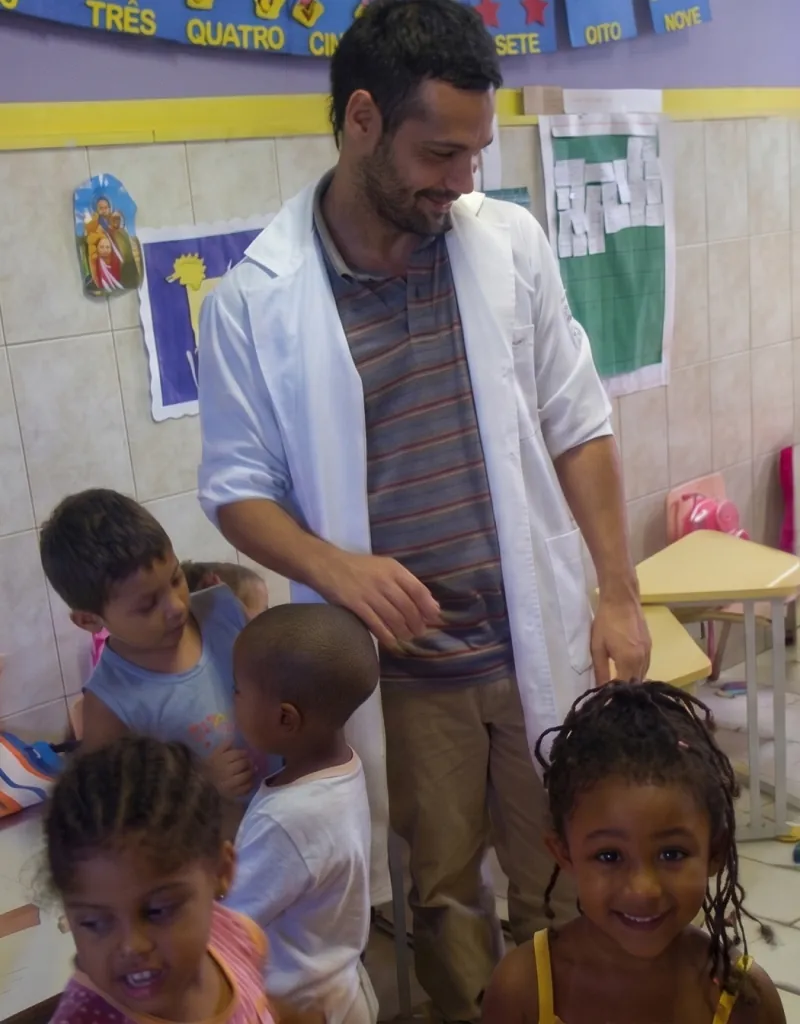
Currently I am preparing for a Practice Ready Assessment with Vancouver Coastal Health, an experience that can acculturate me to the Canadian health system’s workflows and collaborative models. If I am honoured to pursue it, I intend to obtain provisional licensure, allowing me to provide psychiatric services to adults, youth and older adults in the Squamish region, where my family has settled. I envision a practice that blends direct clinical care with ongoing research on neurocognitive assessment tools, thereby contributing to both individual patient wellbeing and broader scientific knowledge.
Life beyond the clinic
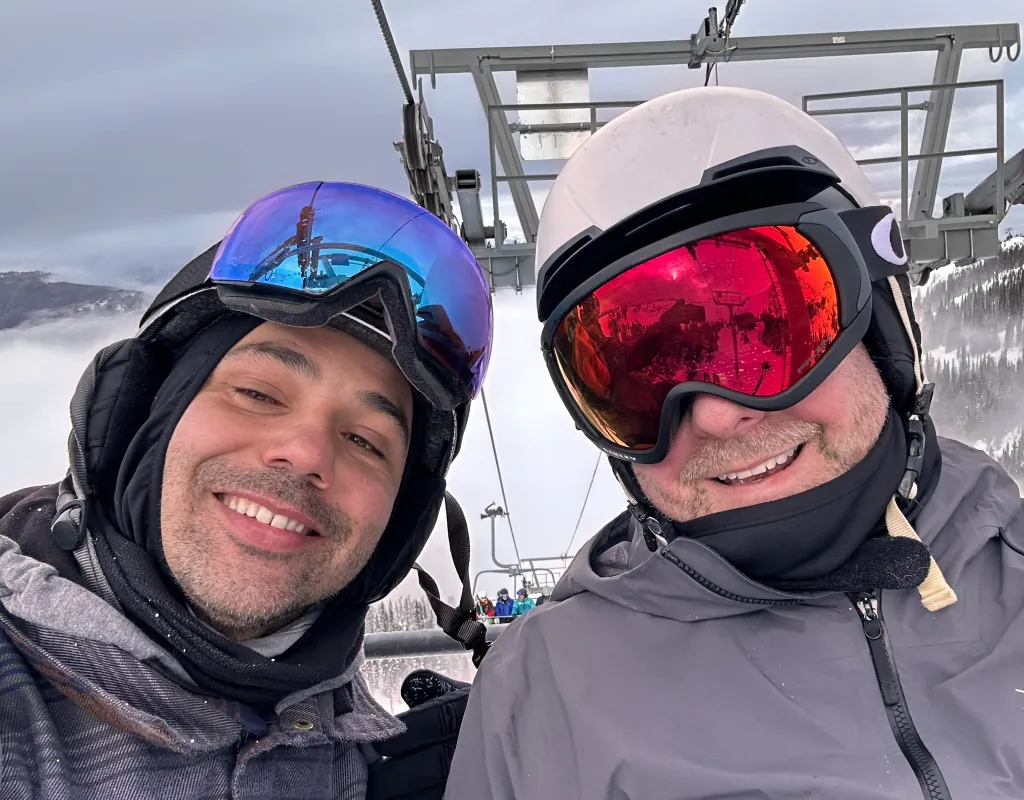
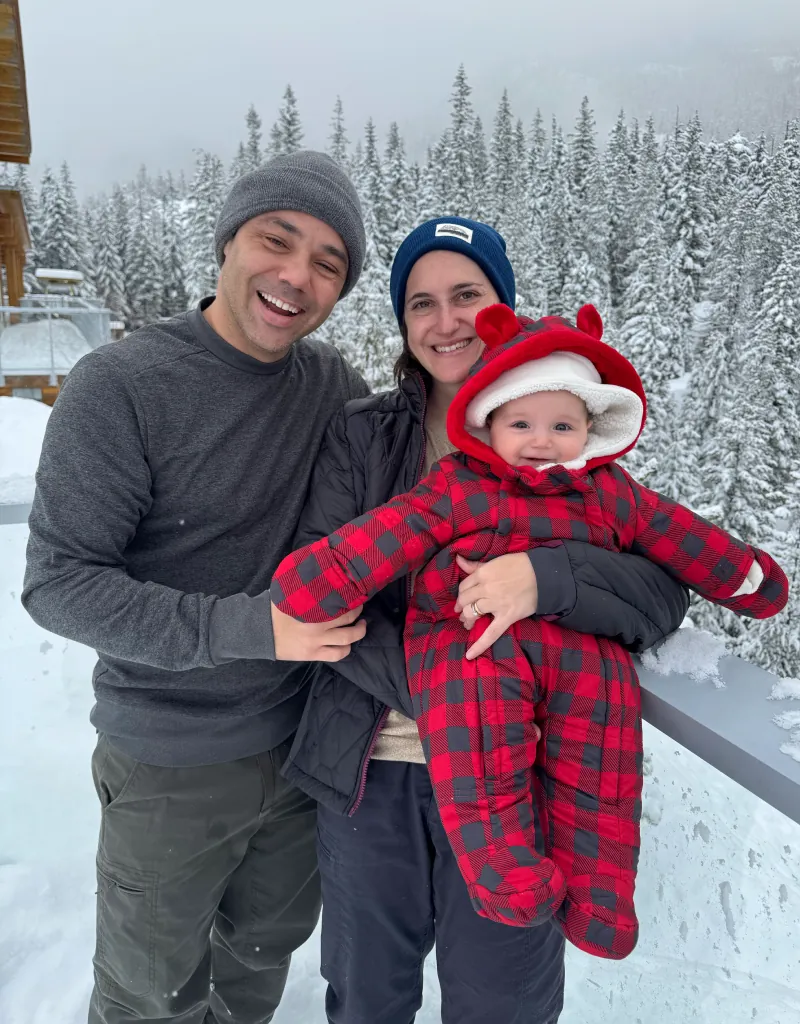
Outside of my professional responsibilities I enjoy time with my family, including caring for my toddler daughter, with our second child due in August. I stay active in the snow‑sport community by snowboarding during winter months, and remain engaged with the broader tech ecosystem through conferences and startup competitions. This balance of clinical work, research innovation, entrepreneurship and personal life reflects a commitment to holistic wellbeing for myself and the communities I serve.